Canadian winters are severe, with cold temperatures, snow, ice, and unpredictable weather. While many drivers know to be careful about road conditions and reduced visibility in winter, not everyone understands how cold weather can affect the vehicle itself.
A common concern for drivers in Canada during winter is seeing warning lights on the dashboard. If the check-engine light comes on or another warning light appears, it can be stressful to realize that the vehicle may not be fully ready for the road. In some cases, an electrical and lighting service can help identify issues with the vehicle’s battery, electrical components, headlights, and other systems that cold temperatures can affect.
While a sudden drop in temperature does not necessarily mean there is something wrong with the vehicle, it can put additional stress on sensors, batteries, electronics, fuel systems, and other components. Understanding how cold weather affects vehicles and knowing when to seek professional help is essential for every Canadian driver.
Why Does Cold Weather Affect Your Vehicle?
Vehicles are built to handle the cold, but there are still some issues that arise during the winter. Oil thickens, the battery’s starting capability is reduced, and other fluids can thicken up as well.
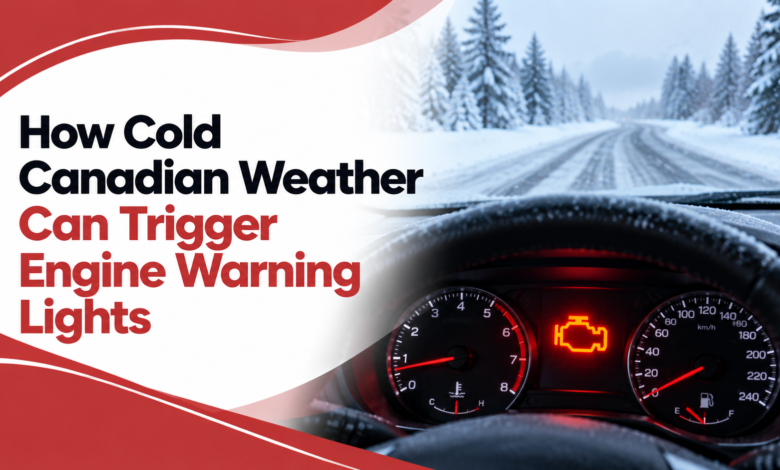
Modern cars and trucks utilize lots of sensors and computer technology to regulate everything from emissions to engine performance to fuel efficiency and more. If one of these sensors reads an abnormally high or low value, the Check Engine light may turn on to signal that there is an issue.
Sometimes it will go off after the car has warmed up, while for others it will continue to stay on until they can get it into a shop and have it diagnosed.
Cold Temperatures Can Affect the Battery
The battery, in particular, is sensitive to cold temperatures. A healthy battery should be fine, but a run-down battery may not produce sufficient power in the cold.



Cold weather can cause the battery to lose its ability to hold a charge as quickly. You may find that your headlights are dimmer, your accessories powering on slower than normal, or the engine is struggling to start. Reduced voltage from the battery can also affect other vehicles electronics and sensors.
A failing battery will not always cause the check engine light to illuminate, but intermittent voltage issues can cause other computers or electronics in the vehicle to behave erratically.
It is a good idea to have your battery and charging system tested before winter really sets in, especially if you have a car that is several years old or already showing signs of a weak battery.
Cold Weather Can Affect Sensors
Modern cars are equipped with various sensors all over the engine and exhaust system. These sensors relay information to the car’s computer which monitors the amount of fuel, ignition timing, emissions, and other factors.
Very cold weather can have an effect on the sensors, especially if the car part that the sensor is monitoring is starting to malfunction anyway.
For example, the engine coolant temperature sensor lets the car know how hot or cold the engine is. There are also oxygen sensors that monitor the amount of oxygen in the engine and in the exhaust.
If a sensor malfunctions and gives off an odd reading, the car will usually put out a code and turn on the check engine light.
This doesn’t mean that the cold weather has damaged the sensor, but that the cold weather has exposed another problem.
Low Tire Pressure Can Also Trigger Warning Lights
Temperature changes can cause a difference in tire pressure. As the air cools inside your tires it can cause the pressure to drop. This is the reason that some drivers experience a tire pressure warning light after a sudden drop in temperature.
While a tire pressure warning light is different than a check engine soon light they both are dashboard warning lights that should not be dismissed.
Driving with under inflated or over inflated tires can cause issues with the vehicles handling and braking as well as gas mileage and tire wear. Canadian drivers should be checking their tire pressure more often during the colder months and following the suggested pressure from their vehicle manufacturer.
Keep in mind that this pressure is usually found on the door jamb of the vehicle or in the owners manual, and not written on the tire itself.
Cold Starts Put Extra Stress on the Engine
Starting an engine in cold weather presents extra challenges. Engine oil gets thicker and the battery has to work harder.
On a cold start, the engine may not be running at full operating temperature. This means that it will run slightly differently for the first few seconds or minutes. A slightly high idle speed or change in engine sound can be normal.
However, rough running, multiple stalls, unusual engine sounds or a glowing check engine light should not be a routine part of the winter.
If your check engine light stays on when the engine warms up, it’s a good idea to have it checked.
What Does a Flashing Check Engine Light Mean?
There’s a big difference between a check engine light and a flashing check engine light
When a check engine light is steady, it can be an indicator of numerous potential issues. Some are minor and some are more severe, but in any case, the vehicle is still able to be driven.
Flashing check engine lights indicate a more serious issue. In many cases, this is the result of a misfire that could damage the catalytic converter if left alone and cause other issues.
If your check engine light is flashing and the engine is sputtering, shaking, losing power or making unusual noises, avoid driving it whenever possible and have it looked at right away.
What About Other Dashboard Warning Lights?
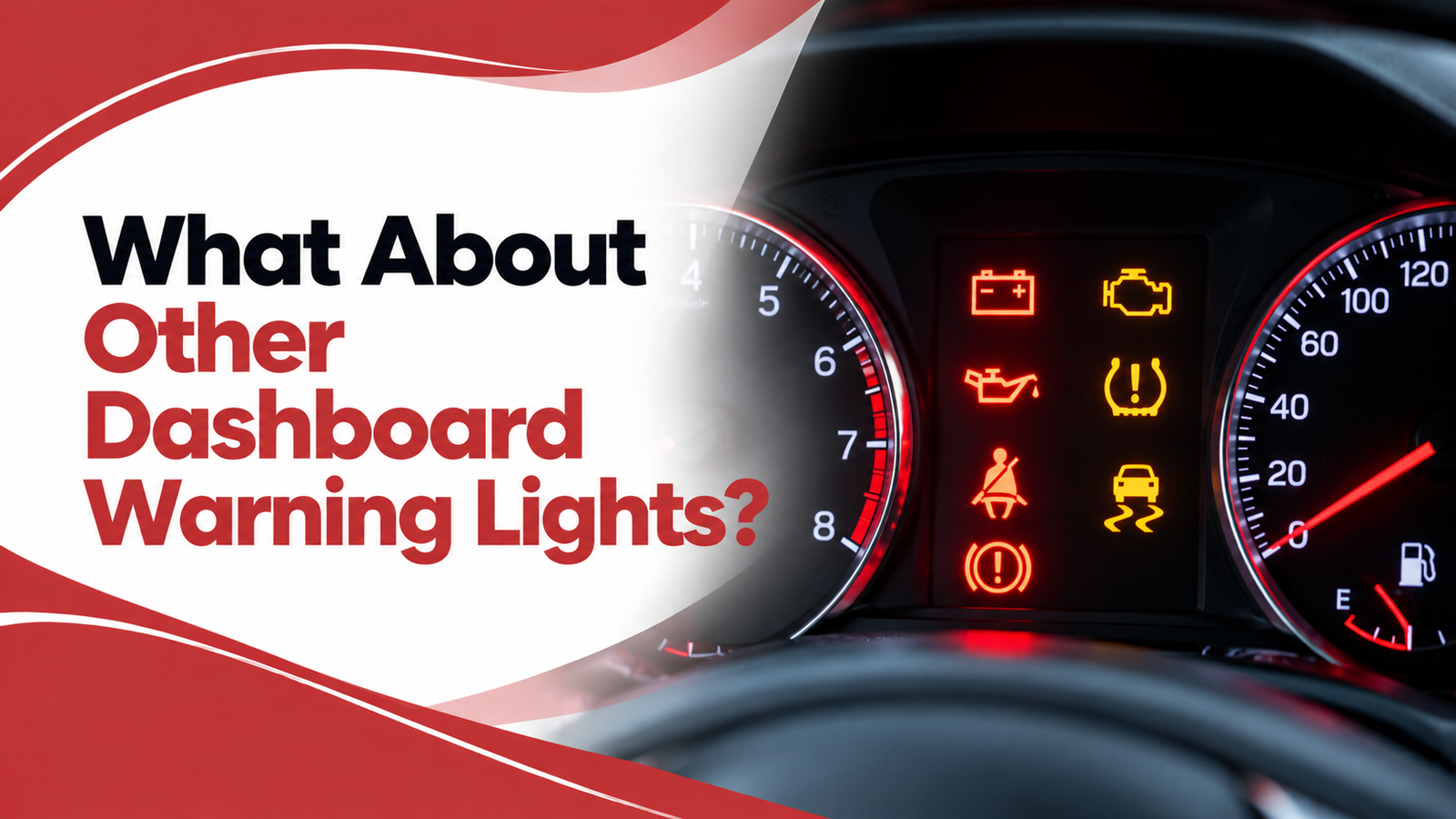
The check engine light is not the only light you may see this winter. A vehicle has numerous dashboard warning lights that are each unique indicators of potential problems.
These can range from the battery, oil pressure, brakes, tire pressure, traction control, ABS, temperature, and more. Each dashboard warning light has a separate function.
A flashing oil pressure warning indicator can indicate a serious lubrication issue. A flashing battery warning sign is unlikely to be the result of a cold battery, but rather an issue with the charging system.
Refer to your owners manual for details on what each indicator means. If you’re unsure of a warning light that has appeared on your dash or it seems to be making unusual noises, call for professional help.
Electrical Problems Can Become More Noticeable in Winter
While we take batteries, alternators, fuses, lights and more for granted in the warm months, those warmer months can be a cover up for potential electrical issues.
As the temperature drops, the reliability of your vehicle’s electrical system will be put to the test.
Flickering lights, power windows that don’t work, a slow engine crank, dim or malfunctioning headlights, and other warning signs will help you know it’s time for an electrical and lighting service.
An electrical and lighting service is a great place to start if you suspect you have a battery, charging, lighting, wiring or general electrical issue. This type of maintenance is especially important for the winter driving ahead.
Do Not Ignore an Engine Warning Light
One of the biggest mistakes drivers make when it comes to malfunctioning engine lights is thinking that if it looks fine, it is fine. In many cases, a warning indicator is the first sign of an issue and if ignored, will lead to bigger issues down the road.
A strange sensor, ignition or fuel system problem may be barely noticeable at first. A diagnostic scan can help identify any stored trouble codes, which will give you and an auto repair shop Toronto technician a good start on identifying the issue.
It’s also important to note that a diagnostic code isn’t always a definite answer. Further inspection will be needed to rule out other possible causes.
How Canadian Drivers Can Prepare for Cold Weather
A little preparation can go a long way in the colder months. Before the weather turns really bad, you should give particular attention to the following areas:
- Battery condition and charging performance
- Engine oil and other important fluids
- Tire pressure and condition
- Winter tire tread and overall condition
- Windshield washer fluid
- Windshield wipers
- Headlights and brake lights
- Heating and defrosting systems (including the rear window)
- Belts and hoses
- Brakes
- Exhaust system
- Dashboard warning lights
It’s also a good idea to keep an emergency kit in your vehicle. What you’ll need depends on where you live, but it should include a blanket, flashlight, jumper cables or a good booster pack, gloves, first-aid kit, phone charger and more.
When Should You Visit an Auto Repair Shop?
Not every warning light is cause for alarm, but you should never completely ignore them. If your check engine light stays on, your engine is running roughly, fuel economy suddenly improves or worsens, your vehicle loses power, or you notice strange odors or sounds, you should get a professional opinion.
Torontonians and those in the surrounding areas can start by searching for an experienced auto repair shop in order to make sure everything is operating at peak performance. Technicians in a professional auto repair shop can use automotive diagnostic equipment to read and interpret fault codes, and examine the relevant parts for the cause of the issue. Choosing a reliable auto repair shop is particularly important when it comes to sensors, engines, electrical systems, exhaust, brakes or emissions.
Final Thoughts
Cold Canadian weather can put added stress on many car components. A drop in temperature can impact tire pressure, battery power, sensors, fluid viscosity and more.
In some cases, these changes can result in a dashboard warning light. The most important thing is not to panic, but to keep in mind that these indicators are there for a reason. Read your owner’s manual, keep an eye on how your car is performing and seek professional help if needed. By taking the time to get regular maintenance before bad weather hits or during winter, you can spot weak points and ensure that you’re safe and ready for the road ahead.